Alexandra Palace upholstery cleaning tips for Wood Green homes
If you live near Alexandra Palace and your home in Wood Green sees its fair share of muddy shoes, pet hair, spilled tea, and everyday wear, upholstery can start looking tired surprisingly quickly. The good news is that most fabric and leather furniture can be kept in great condition with a few sensible habits, a careful cleaning routine, and the right judgement about when to stop and call in help. These Alexandra Palace upholstery cleaning tips for Wood Green homes are designed to be practical, local, and genuinely usable, not the sort of advice that sounds fine until you try it on a damp sofa cushion at 9pm.
In this guide, you'll learn how upholstery cleaning works, what makes it worth doing properly, how to avoid the classic mistakes, and when a professional clean is the smarter option. We'll also cover common fabric risks, useful tools, and a simple checklist you can keep in mind before you reach for a spray bottle and hope for the best. Let's face it, furniture is expensive, and a little care goes a long way.
Contents
- Why Alexandra Palace upholstery cleaning tips for Wood Green homes Matters
- How Alexandra Palace upholstery cleaning tips for Wood Green homes Works
- Key Benefits and Practical Advantages
- Who This Is For and When It Makes Sense
- Step-by-Step Guidance
- Expert Tips for Better Results
- Common Mistakes to Avoid
- Tools, Resources and Recommendations
- Law, Compliance, Standards, or Best Practice
- Options, Methods, or Comparison Table
- Case Study or Real-World Example
- Practical Checklist
- Conclusion
- Frequently Asked Questions
Why Alexandra Palace upholstery cleaning tips for Wood Green homes Matters
Upholstery takes more abuse than most people realise. Sofas, dining chairs, footstools, cushions, and armchairs collect skin oils, dust, crumbs, pet dander, and the occasional mystery mark that nobody claims. In homes around Wood Green and the Alexandra Palace area, that wear can be made worse by busy family life, visitors coming and going, and the simple reality of London living: a lot happens indoors, and it all ends up on the furniture eventually.
Cleaning upholstery properly matters because it helps furniture last longer, keeps the room fresher, and reduces the dull, lived-in look that builds up over time. It can also improve how a room feels. A sofa that smells clean, feels dry, and looks revived changes the whole space. You notice it instantly when you sit down in the evening with a cup of tea and the light hits the fabric properly.
There's another side to it too. Some fabrics react badly to too much water, aggressive scrubbing, or the wrong chemical. So while DIY cleaning can work well, it needs a steady hand. These tips are not about doing more, but doing the right things in the right order.
How Alexandra Palace upholstery cleaning tips for Wood Green homes Works
Good upholstery cleaning usually follows a simple logic: identify the fabric, remove dry soil, treat stains carefully, clean with the least moisture necessary, and dry the furniture thoroughly. That sequence matters because upholstery is not just another surface. It has fibres, padding, stitching, piping, and often a backing layer that can trap moisture for hours if you overdo it.
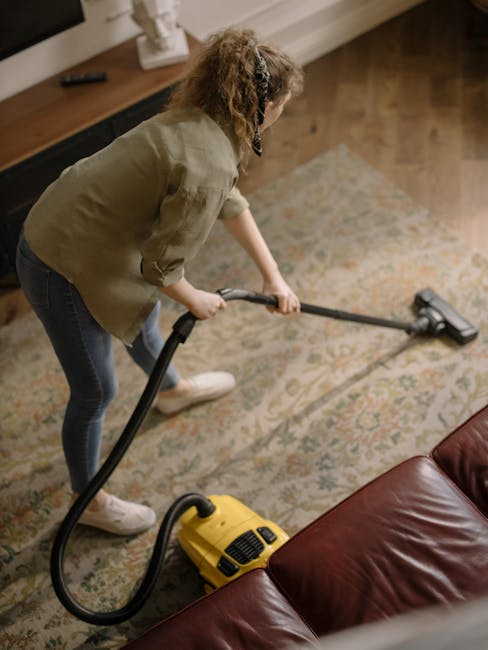
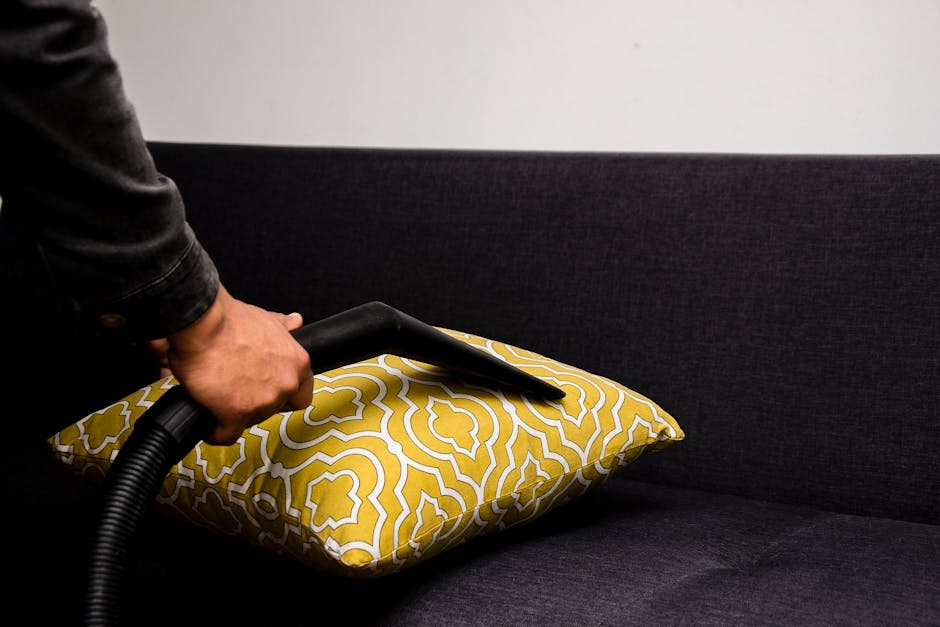
In practical terms, the process starts with inspection. Look for care labels, faded areas, pulled threads, weak seams, or previous cleaning marks. Then vacuum slowly using the upholstery attachment to remove dust and grit from the surface and the cracks where crumbs like to hide. Only after that should you move to stain treatment or deeper cleaning.
If you want a broader sense of professional fabric care, the main upholstery cleaning service is the best place to start. It sits neatly alongside other fabric care services such as sofa cleaning and stain removal, because in real homes the problems overlap. A wine mark is a stain. A pet smell is both a stain issue and an odour issue. A tired armchair often needs a combination approach. Not glamorous, but true.
For heavier soil, professional methods often include controlled hot-water extraction or low-moisture cleaning, depending on fabric type. Steam-based treatment can work well on some synthetics and durable textiles, but it is not a one-size-fits-all solution. That's the bit people miss. The method must suit the upholstery, not the other way around.
Key Benefits and Practical Advantages
Done properly, upholstery cleaning brings more than just a neater look.
- Longer furniture life: Dirt acts a bit like sandpaper. Remove it regularly and the fibres suffer less wear.
- Better appearance: Colours look brighter, patterns look clearer, and old marks stop dominating the room.
- Improved freshness: Clean upholstery tends to hold less stale odour, especially in homes with pets or heavy daily use.
- More comfortable living space: The room just feels better when the sofa no longer has that slightly dull, flat look.
- Reduced risk of permanent staining: Dealing with spills early is nearly always easier than waiting until the weekend.
There's also a practical side for households with children, renters, or anyone preparing a home for sale or a guest visit. Clean upholstery can lift the whole presentation of a room without redecorating anything. That's a pretty efficient win, to be fair.
If your furniture needs more than a surface refresh, a professional team can combine upholstery care with carpet cleaning so the whole room looks consistent. In some homes, that combination matters more than people expect. Clean sofa, tired carpet? The contrast gives the game away.
Who This Is For and When It Makes Sense
These tips are for anyone in or around Alexandra Palace and Wood Green who wants furniture to last longer and look better without risking damage. They're especially useful if you have fabric sofas, dining chairs, upholstered headboards, accent chairs, or pet-friendly furniture that gets a bit of everything every day.
It makes sense to use this advice if:
- you notice light soiling or dullness on high-contact areas like armrests and seat cushions;
- there is a recent spill that hasn't soaked deep into the padding;
- you can vacuum regularly but haven't cleaned the fabric deeply in a while;
- you want to keep the sofa looking decent between professional visits;
- you are comparing DIY maintenance with a booked clean and trying to decide which is worth it.
If you have delicate velvet, silk blends, antique furniture, or sentimental pieces, caution matters even more. The cost of a mistake can be much higher than the cost of doing nothing for a few extra days while you check the best approach. That pause can save a lot of regret.
And if pets are part of the picture, odour control becomes just as important as stain removal. In those cases, services such as pet stain odour removal can be especially useful because they deal with both the visible and the hidden issue. Smell lingers. Sometimes annoyingly so.
Step-by-Step Guidance
Here's a sensible way to clean upholstery without turning a simple job into a problem.
- Check the care label. Look for manufacturer guidance or cleaning codes. If there's no label, be more cautious than usual.
- Vacuum thoroughly. Use a soft brush or upholstery attachment. Get into seams, tufts, folds, and behind cushions.
- Test any cleaner first. Try it on an unseen area. Wait for it to dry fully before deciding it's safe.
- Treat stains gently. Blot, don't rub. Work from the outside of the stain inward so it doesn't spread.
- Use as little moisture as needed. Too much liquid can leave rings, slow drying, or push the stain deeper.
- Allow proper airflow. Open windows if weather allows, or use a fan to speed drying without overheating the fabric.
- Brush or reset the pile. Once dry, a soft brush can help restore the fabric's look, especially on textured materials.
If you are tackling a basic fresh spill, a clean white cloth, patience, and blotting pressure are often enough. For set-in marks or widespread discolouration, the job gets harder fast. That's when people tend to start scrubbing harder, which is usually the wrong move. Oddly, furniture rarely rewards panic.
For bigger or more stubborn marks, it can help to compare a deeper upholstery clean with other specialist treatments such as steam carpet cleaning or standard carpet cleaning if the rest of the room needs attention as well. The key is matching the method to the material.
Expert Tips for Better Results
Small choices make a big difference with upholstery. In our experience, the households that get the best results are not the ones doing the most cleaning. They're the ones doing the simplest things consistently.
Work slowly and in sections
Don't try to clean an entire sofa in one rush. Treat one cushion or panel at a time. That keeps the finish more even and helps you spot issues early, like fabric colour transfer or a cleaner that's slightly too strong.
Use white cloths rather than coloured ones
This sounds basic, but it matters. Coloured cloths can bleed, especially when damp. White microfibre or cotton cloths also let you see how much dirt you're lifting, which is oddly satisfying.
Drying is part of the cleaning
A clean sofa that stays damp is not a win. It can smell musty, attract dust, and in some cases develop water marks. Good airflow, moderate room temperature, and patience are better than blasting the fabric with heat.
Respect delicate fabrics
Velvet, chenille, linen blends, and antique coverings often need a lighter touch. If you're unsure, keep cleaning to vacuuming and light spot treatment until you've checked what the fabric can handle. It's not being over-cautious; it's being sensible.
Deal with spills quickly
The first hour matters. The first minute matters, frankly. A fresh spill is often manageable if you blot it straight away and avoid pushing it deeper into the fibres. Once it dries, you're negotiating with chemistry and time, and time is annoyingly stubborn.
Don't forget the surrounding textiles
Upholstery doesn't live alone. Curtains, rugs, and mattresses absorb the same household dust and odours. If a room feels stale even after cleaning the sofa, the problem may be elsewhere. A matched fabric refresh using curtain cleaning, rug cleaning, or mattress cleaning can make the whole place feel better.
Common Mistakes to Avoid
Most upholstery damage comes from a handful of predictable mistakes. Avoid these and you're already ahead of the curve.
- Using too much water: This can leave rings, slow drying, and hidden damp in the padding.
- Scrubbing hard: Friction can distort fibres and spread stains.
- Ignoring the fabric code: A cleaner that suits one fabric may ruin another.
- Using random household chemicals: Bleach, strong solvents, and multi-surface sprays can cause colour loss or residue.
- Skipping the test patch: Always test first. Always.
- Forgetting to dry properly: A clean item that stays wet can smell worse than before.
Another common issue is chasing a stain too aggressively. You see a mark, panic a bit, and start rubbing. Then the stain gets larger, the fabric looks flattened, and now you've got a bigger problem plus a fabric texture issue. Not ideal.
If the stain is oily, sticky, or has already set, a specialist stain approach is usually safer than improvised effort. That's where a dedicated stain removal service becomes relevant. No drama, just better odds.
Tools, Resources and Recommendations
You do not need a van full of equipment to maintain upholstery well. A small, sensible kit is enough for most homes.
- Vacuum with upholstery attachment: The most useful tool by far.
- Soft brush: Helpful for textured fabrics and drying pile.
- White microfibre cloths: Good for blotting and spot work.
- Small bowl of clean lukewarm water: For dampening cloths lightly, not soaking fabric.
- Fabric-safe cleaner: Only if the care label and test patch support it.
- Fan or good ventilation: Drying support matters more than people expect.
For homes where furniture, carpets, and general room freshness all need attention together, it can help to look at the wider cleaning picture. Upholstery is only one part of the space. Depending on the room, services such as rug cleaning or steam carpet cleaning may be the missing piece that makes everything feel properly finished.
If you want to understand service standards, payment arrangements, or how a cleaning visit is typically organised, the site's pages on pricing and quotes and payment and security are useful places to look. A good provider should be clear, not vague. That part matters.
Law, Compliance, Standards, or Best Practice
For residential upholstery cleaning, there usually isn't a complicated legal process for the homeowner, but there are still sensible standards to follow. First, use cleaning products according to their instructions and keep them away from children and pets. Second, avoid mixing chemicals unless the product guidance specifically allows it. Third, if you're hiring a contractor, check that they have suitable insurance and operate with proper safety practices.
In the UK, reputable cleaning work is generally expected to follow straightforward best practice: careful material identification, safe chemical handling, effective ventilation, and honest communication about what can and can't be cleaned safely. That may sound obvious, but it's often where problems start. A cleaner should be able to explain limitations clearly, especially with delicate or antique items.
It is also sensible to check how a company handles customer data, complaints, and health and safety matters. The supporting pages on insurance and safety and health and safety policy give a useful sense of how a professional provider approaches the job. If you ever need to understand process, the terms and conditions and privacy policy also help set expectations. Boring reading, perhaps, but important.
For customers who care about environmental impact, a provider's recycling and sustainability approach may also matter, especially if you're comparing service options. Sometimes the most responsible clean is the one that uses the right amount of product and water, not the most.
Options, Methods, or Comparison Table
Not every upholstery problem needs the same solution. Here's a practical comparison to help you choose.
| Method | Best for | Strengths | Watch-outs |
|---|---|---|---|
| Vacuuming and dry maintenance | Regular upkeep, light dust, crumbs, pet hair | Safe, quick, low risk | Won't remove deep staining or odours |
| Spot cleaning | Fresh spills and small marks | Targeted, cost-effective, convenient | Must match fabric type; easy to over-wet |
| Low-moisture professional cleaning | General refresh on suitable fabrics | Faster drying, good for routine deep cleans | Not ideal for every fabric or heavy contamination |
| Hot-water extraction | Durable upholstery with deeper soil | Strong cleaning performance | Drying time and fabric suitability must be managed carefully |
| Odour-focused treatment | Pet smells, smoke residue, stale furniture | Targets the source of the smell | Needs proper assessment; masking sprays rarely solve it |
If you're unsure, start with the least aggressive method that can reasonably solve the problem. That's the golden rule, honestly. Escalate only if needed.
Case Study or Real-World Example
A common Wood Green scenario goes like this: a family sofa has picked up everyday soil on the armrests, a faint drink mark near one cushion, and some pet hair worked into the weave. Nothing dramatic, but enough to make the whole room look a bit flat. The first instinct is often to spray a general cleaner and scrub the mark hard.
That usually makes things worse.
A better approach is more measured. Vacuum slowly. Remove loose hair. Check the care label. Test a safe cleaner on a hidden area. Blot the mark rather than rubbing it. If the fabric reacts well, continue gently. If not, stop and reassess. In many homes, that alone improves the sofa enough to be noticeable without risking the fibres.
In a slightly tougher version of the same job, maybe the sofa also has lingering odour from a damp dog blanket or repeated use over winter. That's when cleaning the surface is only part of the answer. The odour source may be in the padding or the room environment. A fuller professional clean, possibly alongside carpet or rug treatment, can bring the room back to neutral. Not perfect? Maybe not. But a lot better, and often enough to make the sofa feel usable again.
Practical Checklist
Use this quick checklist before you clean any upholstered item at home.
- Identify the fabric type and read the care label.
- Vacuum thoroughly, including seams and cushions.
- Test any cleaner on a hidden patch first.
- Blot stains gently with a white cloth.
- Use minimal moisture.
- Avoid harsh scrubbing and mixed chemicals.
- Allow full drying with airflow.
- Check for rings, fading, or texture changes after drying.
- Stop if the fabric starts to react badly.
- Book a professional clean if the item is delicate, heavily soiled, or smells persistently stale.
Expert summary: The safest upholstery cleaning is usually the simplest one. Identify the fabric, remove dry soil first, treat stains lightly, and dry thoroughly. If the fabric is delicate or the mark is stubborn, pause before you improvise. That little pause can save the furniture.
Conclusion
Alexandra Palace upholstery cleaning tips for Wood Green homes come down to a few grounded habits: vacuum often, treat stains early, respect fabric types, and don't flood the material with water or chemicals. The homes that stay freshest are usually the ones where people deal with small problems before they become expensive ones. Simple, but effective.
Whether you're keeping a family sofa in decent shape, freshening up a favourite chair, or deciding if you need professional help, the best result comes from matching the method to the fabric and being patient with the process. Truth be told, upholstery rewards care more than force.
If your furniture needs a deeper refresh, or you want a clearer idea of your options before booking, explore the service pages linked throughout this guide and compare what suits your home best. A thoughtful clean is rarely wasted. It usually pays you back every time you sit down.
Get a free quote today and see how much you can save.
Frequently Asked Questions
How often should upholstery be cleaned in a Wood Green home?
Light maintenance like vacuuming should be done regularly, ideally weekly for busy homes. Deeper cleaning depends on use, fabric type, pets, and spill frequency. For many households, a professional refresh every so often helps keep furniture looking and smelling better.
Can I use steam cleaning on all upholstery?
No, and that's where people sometimes get into trouble. Steam or hot-water methods can suit some durable fabrics, but delicate materials may shrink, distort, or mark. Always check the care label first and test a hidden area.
What should I do if I spill tea or wine on the sofa?
Blot it immediately with a clean white cloth. Don't rub. Work from the outside of the spill inward and use only a small amount of water if the fabric allows it. If the stain persists, stop before it spreads further.
Why does my sofa smell even after I clean the surface?
Because the odour may be deeper than the fabric. Smells can sit in the padding, under the cushions, or in the room textiles around it. In some cases, a specialist odour treatment is needed rather than a basic surface clean.
Is DIY upholstery cleaning worth it?
Yes, for routine upkeep and small fresh marks. It can keep furniture in better shape between professional visits. The main thing is to avoid over-wetting, harsh scrubbing, and chemicals that are not suited to the fabric.
How do I know if my upholstery is too delicate to clean myself?
If the fabric is velvet, silk-like, antique, loosely woven, or lacks a clear care label, treat it as delicate. When in doubt, stick to vacuuming and get advice before using liquid cleaners.
What's the difference between sofa cleaning and upholstery cleaning?
Upholstery cleaning is the broader term. It covers sofas, chairs, cushions, headboards, and other upholstered items. Sofa cleaning is simply one part of that wider category.
Will upholstery cleaning remove pet hair completely?
It can remove a lot of it, especially with thorough vacuuming and the right attachment. However, some hair works deep into textured fabric. Pet homes often need repeated maintenance, not one miracle pass.
Can upholstery cleaning remove old stains?
Sometimes, yes, but it depends on the stain type, the fabric, and how long it has been there. Old stains are harder because they may have bonded with the fibres or oxidised. A professional stain assessment often gives the best chance.
How long does upholstery take to dry after cleaning?
Drying time varies by method, fabric, room temperature, and airflow. Light spot cleaning can dry relatively quickly, while deeper wet cleaning takes longer. Good ventilation makes a real difference. Don't rush it.
Should I clean upholstery before or after carpet cleaning?
Either can work, but many homeowners prefer to clean the larger floor surfaces and upholstery together for a consistent result. If both are heavily soiled, combining them can make the whole room feel properly refreshed.
What if I'm not sure what product to use?
When you're unsure, use the mildest option available and test it first. If the care label is unclear or the item is valuable, it's better to seek professional help than to guess. A cautious approach is usually cheaper in the long run.